People love the idea of children growing up on a farm.
Fresh air. Animals. Responsibility. “Real values.”
It sounds beautiful from the outside.
From the inside, it’s… complicated.
My children don’t wake up excited to work at the farm.
They don’t run toward the animals with joy in their eyes.
They don’t dream of feeding lambs or carrying buckets.
And no — that doesn’t make them ungrateful or spoiled.
It makes them children of 2026.
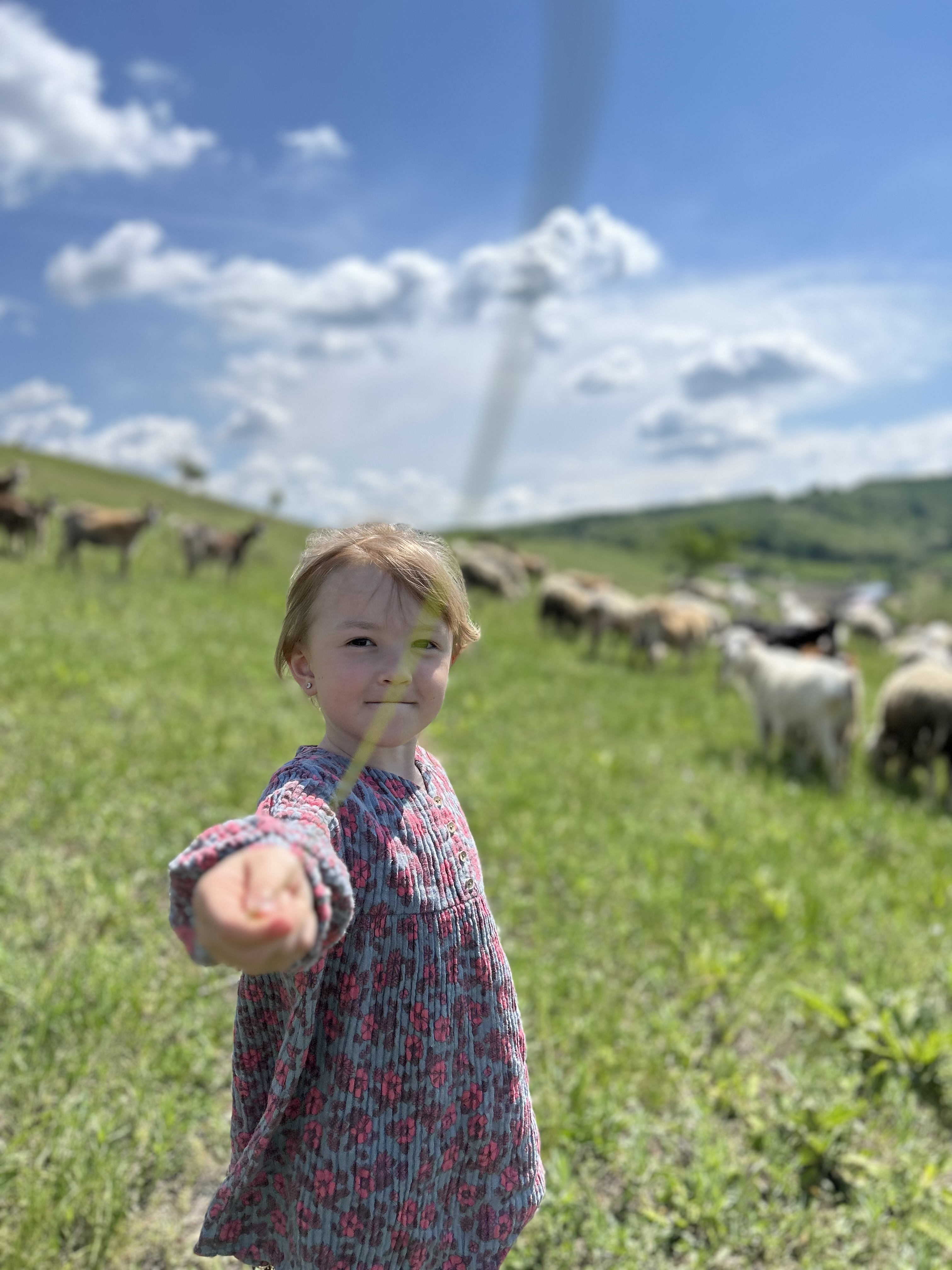
They were born into a world very different from the one we grew up in. A world where independence looks like freedom, not duty. Where effort isn’t automatically connected to survival. Where their friends don’t smell like hay or milk when they meet after school — and where being different can feel heavy.
At first, helping at the farm meant tears.
Real ones. Loud ones.
Doors slammed. Voices raised. That kind of resistance that tells you very clearly: this is not my dream.
They were afraid their classmates would laugh.
Afraid they’d be seen as “the farm kids.”
Afraid that this life — our life — would label them in ways they didn’t choose.
And honestly? I understood them more than I wanted to admit.
Because this farm wasn’t their decision.
It wasn’t even fully mine.
So we changed the conversation.
We stopped saying “you have to” and started explaining why.
Why nothing comes without effort.
Why money doesn’t appear just because you want it.
Why freedom is built — slowly, often uncomfortably.
We talked about choices. About consequences. About independence.
About the fact that no one — absolutely no one — will build your life for you.
It took time. A lot of it.
And patience. Even more.
Today, they help.
Not because they love the farm — but because they understand it.
They show up.
They do the work.
And yes… they make sure to ask about payment 💶
(They’ve learned negotiation skills early. I’ll give them that.)
Do they suddenly love the animals?
No.
Do they dream of taking over the farm one day?
Also no.
But they’ve learned something far more important:
That effort creates options.
That contribution matters.
That independence is earned, not gifted.
And maybe that’s enough.
Because this story isn’t about raising future farmers.
It’s about raising children who understand work, value choice, and aren’t afraid of responsibility — even when it doesn’t look like Instagram.
They don’t love the farm.
But they are learning how life works.
And in 2026, that might be the hardest lesson of all.
There is something people rarely see from the outside.
I’m not raising “children” in the singular.
I’m raising three girls.
Three different worlds, under the same roof.
One is 14 — full of hormones, big emotions, and questions about who she is and who she wants to become.
One is 7 — still balancing between play and rules, childhood and first responsibilities.
And the youngest, 1.6 years old, is pure instinct, attachment, and emotion.
No, they don’t always get along.
They argue. They provoke each other. They get on each other’s nerves.
The age gap is real, and they’re all living in completely different stages of life.
What feels like a drama for one is nothing for another.
What feels like fun for one is exhausting for the other.
And yet…
when it truly matters, they become a team.
Not every day.
Not perfectly.
But enough for me to know they’ve learned something essential.
That life isn’t meant to be lived alone.
That family isn’t about always agreeing — it’s about showing up.
That we can fight, roll our eyes, get annoyed… but we don’t walk away.
The farm makes this visible in a way nothing else does.
When one gets tired, another steps in.
When one refuses, another negotiates.
When one melts down, the others pull her back into reality.
Not because they love the work.
But because they are learning to support each other.
And maybe that’s the greatest lesson this place gives them —
not a love for animals,
not endurance,
but the quiet understanding that they have each other, no matter where life takes them.
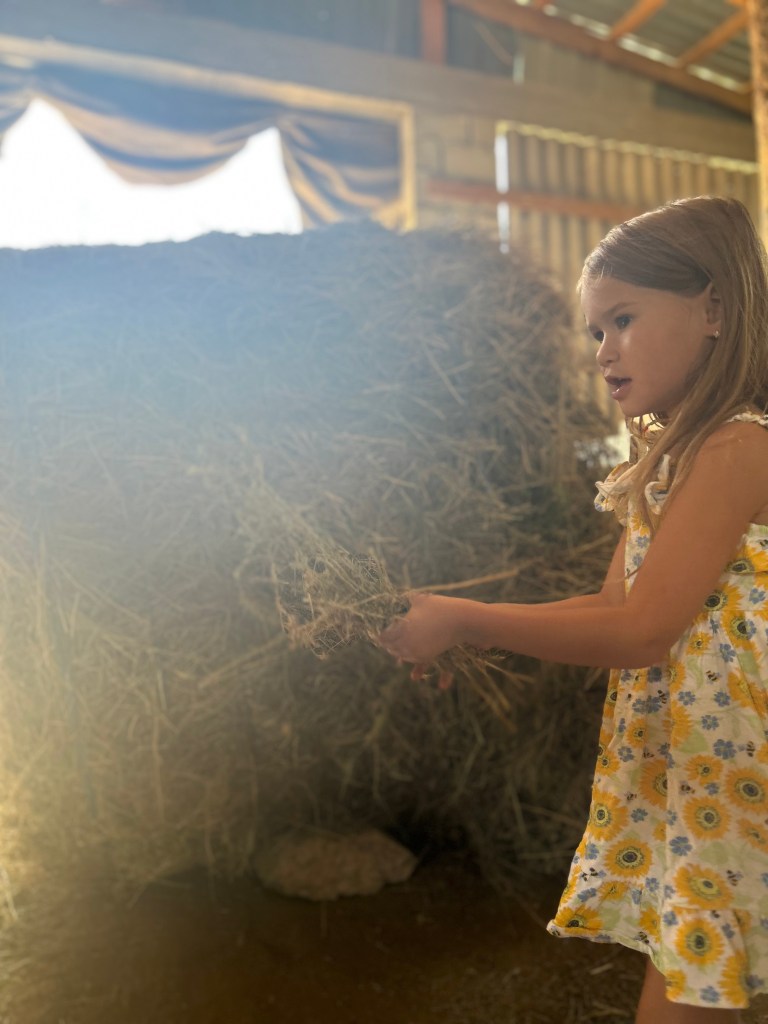
I don’t expect my daughters to love the farm.
I don’t need them to choose this life.
What I hope — what I’m building here, slowly and imperfectly —
is something deeper.
Sisters who know how to stand side by side.
Sisters who understand effort, respect, and responsibility.
Sisters who may grow apart in choices, cities, and dreams —
but never in loyalty.
One day, the animals will be gone.
The routines will change.
Life will move on.
But if they leave this place knowing how to work, how to support one another,
and how to stand on their own feet — together or apart —
then this farm has already done its job.
And so have we.


 Farm Wife Unfiltered
Leave a reply to Valerie Cancel reply