People often romanticize farm life.
Fresh air. Open fields. Animals. Peace.
They call it nature.
They imagine health, balance, and simplicity.
But farm life is not nature.
It is labor. Hard, repetitive, physically demanding labor — every single day.
And that’s exactly why, as a mother, I don’t want my children to inherit this life.
The Cold Nobody Talks About
Winter on a farm doesn’t begin gently.
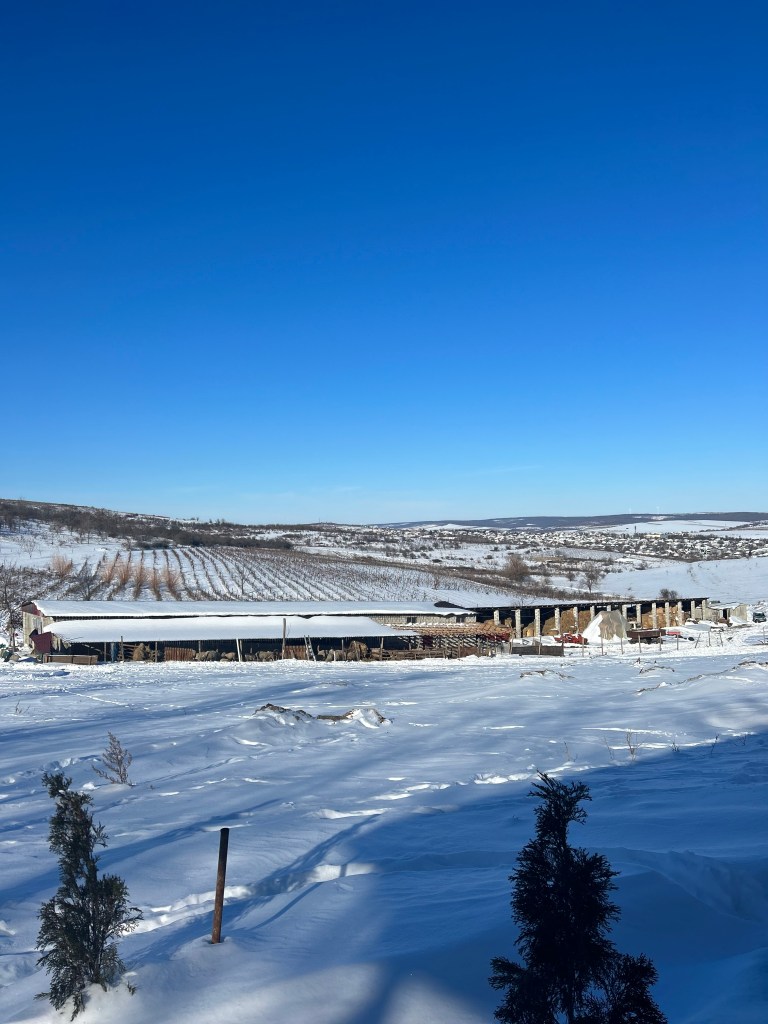
It begins before sunrise, usually around 5:30 AM, when the air feels sharp enough to cut your skin.
You wake up in the dark, layer yourself in thick clothes, and step outside into -15°C (5°F) mornings. The cold doesn’t wait for you to adjust — it enters your bones immediately. Even inside the milking room, the temperature is only slightly better than outside.
Milking still has to be done. Animals don’t pause for weather.
Hands go numb. Breath turns visible. Water is always cold.
There is no warm sink to wash your hands properly, no heated space everywhere — only one stove in one room, if you’re lucky.
Working in this kind of cold doesn’t just tire you — it slowly affects joints, circulation, immunity. It hardens your body in ways that are not always healthy, especially over years.
This is not “fresh winter air.” This is survival mode.
The Heat That Drains You
Summer brings no relief.
When temperatures climb, work doesn’t slow down — it becomes heavier. The heat sticks to your skin, mixes with dust, animal smells, sweat. There is no air conditioning. No shade that lasts all day.
You move constantly, lifting, feeding, cleaning, carrying.
Dehydration comes quietly. Exhaustion feels normal.
Your body learns to function while overheated — but it pays the price later.
Heat doesn’t just make you tired. It clouds judgment. It shortens patience. It wears you down mentally.
People say “At least you’re outside.”
Yes. Outside. Under extreme conditions. For 10–12 hours.
Milk Isn’t Romantic Either
After milking, the work with milk begins.
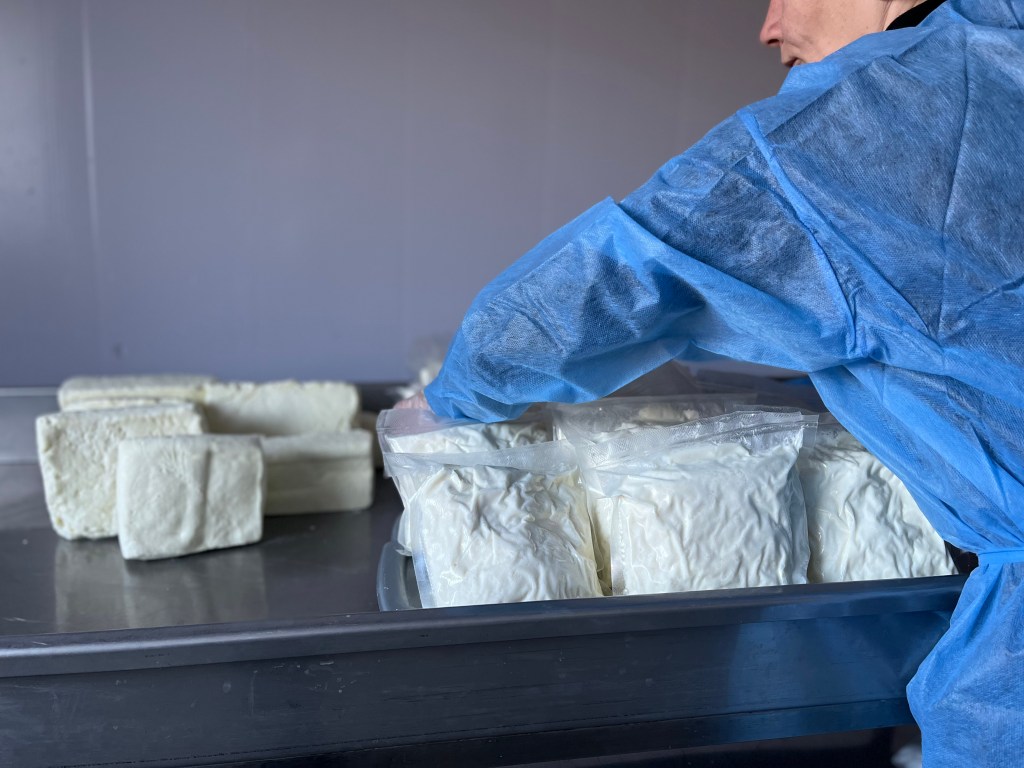
Sheep cheese doesn’t wait, doesn’t forgive mistakes, and doesn’t care how tired you are. The process is traditional — natural rennet, cold water, salt brine. Everything must be clean, precise, and fast.
Your hands stay wet and cold.
The brine is cold — it has to be.
The room is cold — also necessary.
Two hours can pass just handling milk and cheese, standing, lifting, focusing. There’s no pause button.
Then come the rest of the animals: dogs, cats, chickens, rabbits.
Each has its routine. Each needs care.
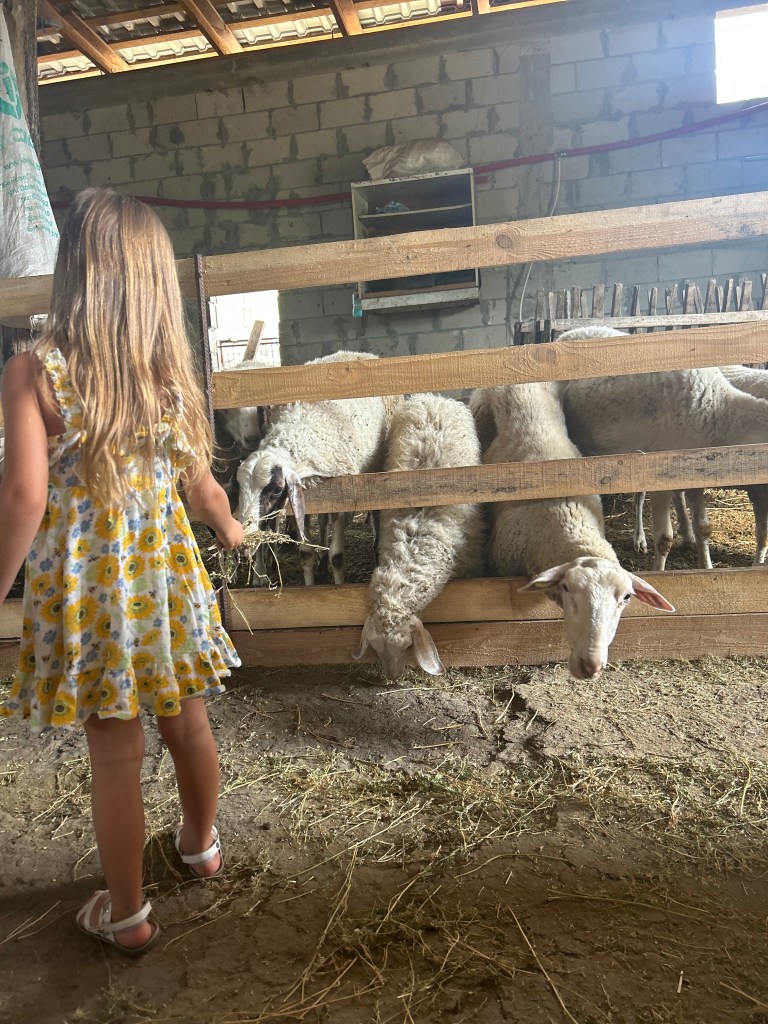
Only after that do you finally drink coffee — quickly — because lambs are waiting. Many newborns need bottle-feeding or help learning how to nurse. The first days of their lives decide everything.
This work is delicate. Emotional. Constant.
Why I Don’t Want This for My Daughters
We are working to modernize the farm.
To automate. To hire help. To grow responsibly.
But no matter how much you improve, farming remains a massive responsibility.
And for my daughters — especially as women — it would consume more than just time.
It can take over your identity.
Your energy.
Your choices.
Maybe I am too protective.
But I live this life. I know exactly what it demands.
I don’t want them waking up at 40 realizing that their entire existence revolves around animals, schedules, weather, and physical endurance — unless they choose it consciously.
I want them to have options.
To work with their minds as much as their bodies.
To choose rest without guilt.
To build lives that don’t require constant sacrifice just to function.
This farm is our responsibility.
But it does not have to be their destiny.
⸻
The Truth
Farm life builds strength — yes.
But it also takes something from you.
And loving your children sometimes means knowing when not to pass everything down.
If one day they choose this life — I will support them fully.
But I will never push them toward it.
Because real love doesn’t romanticize hardship.
It understands it.
And this — this is not nature.
This is work.
 Farm Wife Unfiltered
Leave a comment