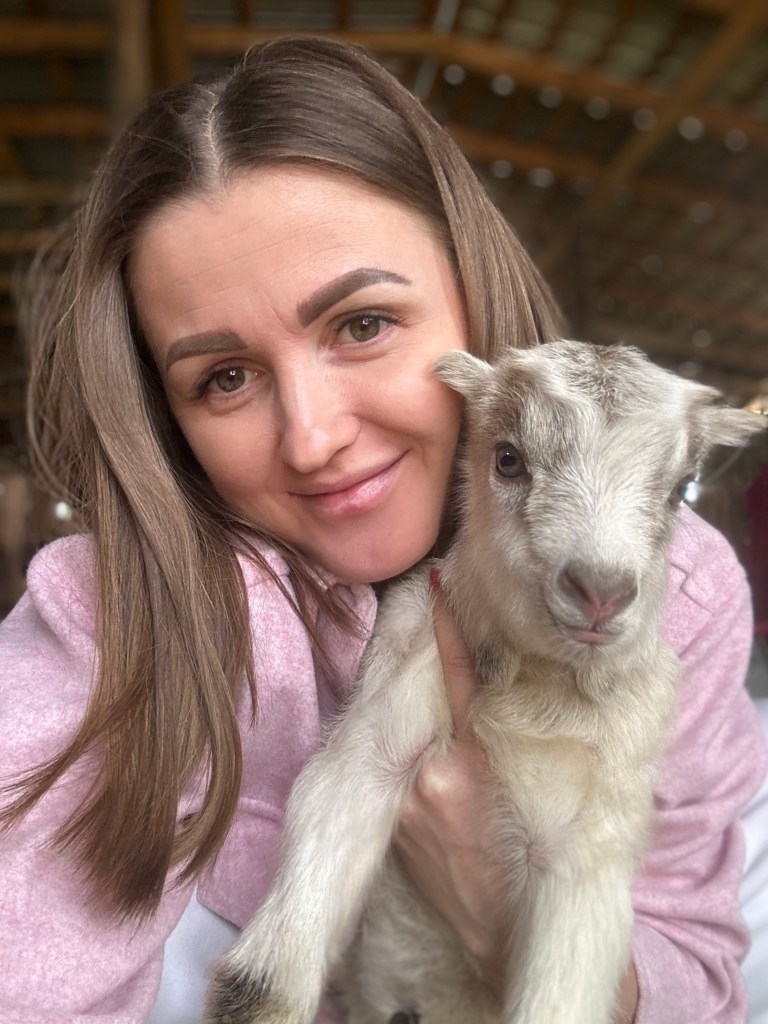
My name is Vera, and I’m a farmer’s wife.
I work on the farm not because it was something I ever dreamed of as a girl, but because my husband carries a very clear vision in his heart — to build something lasting, honest, and real. A farm that grows slowly, responsibly, and with the strength of family behind it. This is his dream, and my place in it is to support it, even on days when it feels heavy.
Our mornings begin early. Always early.
At six o’clock, the house comes alive. I wake the older children, prepare school clothes, pack what needs to be packed, answer questions, remind, hurry, and comfort all at once. When they finally leave, the house grows quieter — not silent, just softer. That’s when I make my coffee and take a moment before the day pulls me forward again.
Then there is Steffi.
I prepare her breakfast, dress her slowly, carefully, because mornings are still overwhelming for her. When she’s ready, I take her with me, and we leave for the farm together. We go for milk and eggs, yes — but mostly, we go because this is part of our daily rhythm now.
This season, the lambs are newborn and need to be bottle-fed. They are fragile, warm, unsure of the world. Holding the bottles, watching them drink, I’m always reminded how every life — human or animal — begins with dependence and trust. Growth doesn’t rush. It asks for patience.
The drive is rarely calm.
Steffi cries, asks for water, asks for food, fights the car seat. We stop more than once. I help her settle, speak softly, breathe deeply. By the time we reach the farm, nearly an hour has passed, and my energy has already been tested.
Baghira meets us at the entrance. He looks intimidating to strangers, but with us, he is gentle and watchful. Steffi still feels unsure here — the animals, the cold air, the unfamiliar sounds all overwhelm her. Only the cats feel safe to her. One of them hides near the buildings, and she follows it with quiet fascination.
We greet the animals, as we always do, and begin working.
I warm the milk, pour it carefully into bottles, and start feeding the lambs. The work is slow and repetitive, but it requires attention. About an hour and a half passes. Steffi moves between curiosity and impatience — sometimes playing with the cat, sometimes clinging to my leg, sometimes protesting the cold. I let the time pass as it needs to.
When we finish, I wash the bottles and clean the space. Then I step into the cheese storage room and pause for a moment. I check how much cheese has collected, open the app on my phone, and begin planning deliveries. There isn’t enough yet to fulfill all orders, so decisions have to be made. I schedule what’s possible, note the rest, and accept the limits of the day.
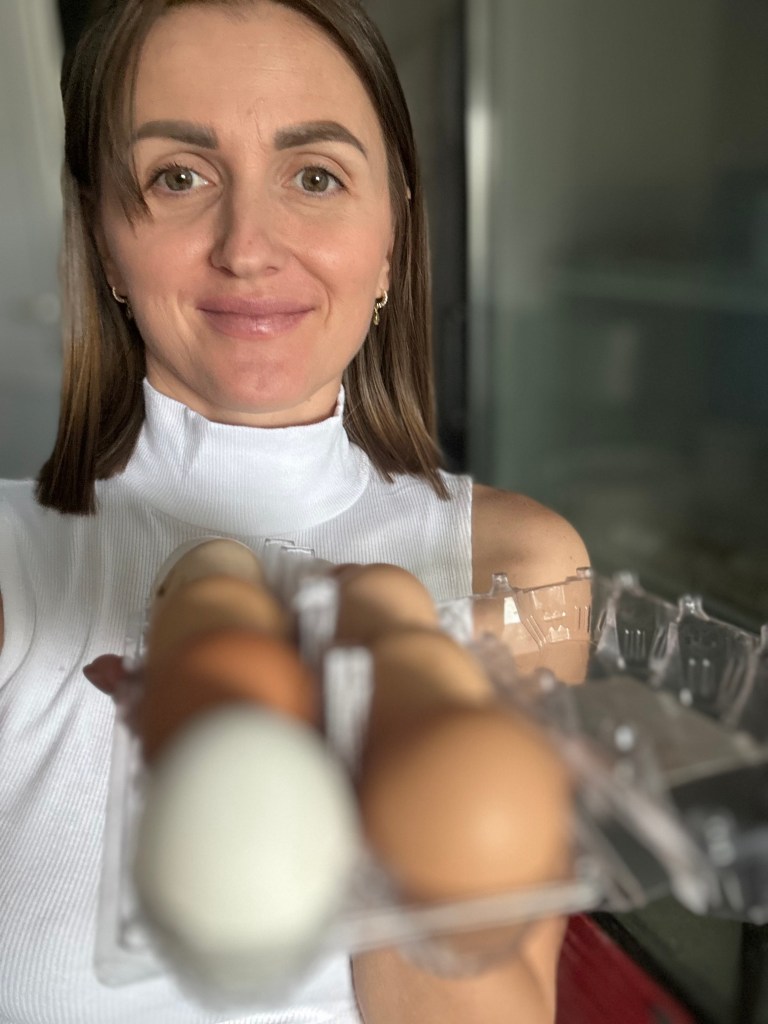
Before leaving, we visit the chickens. We collect a few eggs, fewer than usual. Winter slows everything down, and farming teaches patience whether you want the lesson or not.
We say goodbye and head home.
By then, it’s already lunchtime, and Steffi is tired and hungry. I cook quickly. She cries while I prepare the food, then eats, then resists sleep — until finally, she gives in. When she sleeps, the house exhales with me.
That quiet never lasts long. Soon, the older girls return from school, and the next chapter of the day begins — meals, homework, conversations, small worries, small joys.
This is what my life looks like now.
It isn’t dramatic. It isn’t polished. It doesn’t always feel meaningful in the moment. But it is steady, honest, and deeply real. And little by little, it carries the dream of a farm built not just on land and animals, but on the unseen work of family.
 Farm Wife Unfiltered
Leave a comment